Blog Posts
The Road Has a Way of Humbling You
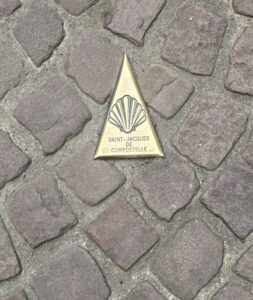
Let me just start by saying, there is something inherently ridiculous about waking up every morning for 30+ days, strapping twenty pounds of your belongings to your back, and voluntarily walking twenty-five to thirty kilometers across mountains, valleys, and medieval villages. And yet, that’s exactly what we did.
I will be breaking up the trip in thirds for a couple reasons. For starters, there is so much to share. And second, the first third of the Camino de Santiago, from Saint-Jean-Pied-de-Port in France to Burgos, Spain, is supposedly the part that tests your body. The second tests your mind, and the third your spirit. Whether there’s any truth to that depends on who you ask. But after the first stretch, I’m inclined to believe whoever came up with it knew what they were talking about. Because, the road began by throwing us directly up and over the Pyrenees.
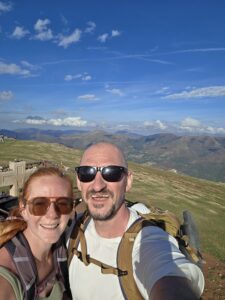
We followed the famous Route Napoléon, climbing high above Saint-Jean-Pied-de-Port toward the Spanish border. Despite the name, the route was used by travelers and pilgrims long before Napoleon’s armies crossed the mountains. It has an impressive history. In fact, somewhere near Roncesvalles, Charlemagne’s rear guard was ambushed in 778, an event that would eventually inspire one of France’s earliest works of literature: The Song of Roland.
On that day, I had more immediate concerns.
There were were no sounds on day one, just the deafening roar of the wind. It swept across the mountains with enough force to make us feel like France itself was dragging us back across her border. Every step forward seemed to require two steps to the side and at times a step back. And that was only the beginning.
Twenty-five kilometers doesn’t sound particularly intimidating on paper. But twenty-five kilometers carrying everything you own, followed by another twenty-five the next day, and the next, was a different proposition entirely.
Our shoulders ached. Our hips were tense. Blisters appeared on top of other blisters. And each morning seemed to reveal yet muscle we didn’t know existed until now because it hurt.
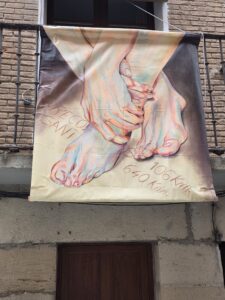
The Camino didn’t care how enthusiastic we were when we started. It simply asked whether we were willing to take another step. Somehow, we did. And eventually, the wind of the Pyrenees gave way to something quieter.
I remember walking through a forest one morning where the only sounds were water moving through the riverbeds, birds calling from the trees, and the faint ringing of a cowbell somewhere beyond the trail. A gentle breeze carried the scent of autumn through the leaves, and for a while, the only evidence of our presence was the crunch of gravel beneath our boots.
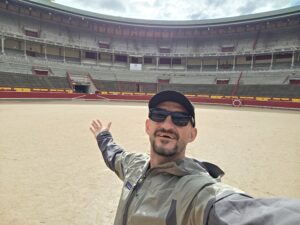
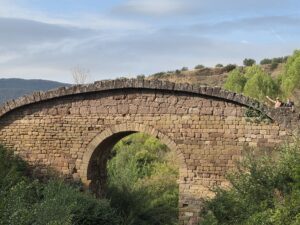
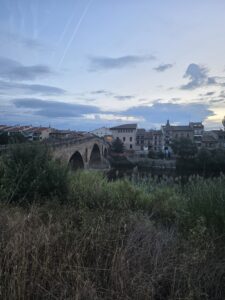
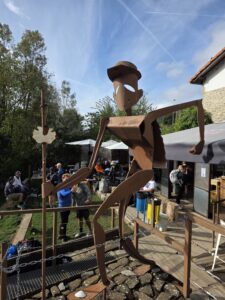
It’s remarkable how much you begin to notice when the world stops competing for your attention. The sweetness in the air beyond Pamplona. The church spire at Sansol rising above the plains like a lighthouse guiding pilgrims toward safe passage. The way farmers had cultivated their fields right up to the trees, allowing strips of nature to remain between their crops rather than clearing out every last inch of land.
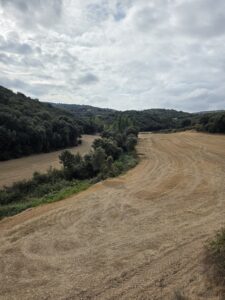
That last one stayed with me.
For a while now, I’ve felt as though so much of my life has been spent making room for more. More work. More money. More responsibilities. More opportunities. If something stood in the way, I removed it. If there was an empty space, I filled it. Yet here were fields that seemed perfectly content to leave a little room for the trees. Maybe there’s a lesson in that. Or maybe I was just tired and becoming unusually philosophical about agriculture. Either way, I liked it.
The towns themselves carried their own stories. Puente la Reina grew around a medieval bridge built to help pilgrims cross the Arga River. Estella, meanwhile, was deliberately developed into a thriving town for pilgrims in the eleventh century. These weren’t simply picturesque villages. They were places that had been welcoming tired, hungry, and occasionally bewildered pilgrims for centuries.
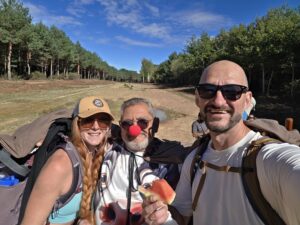
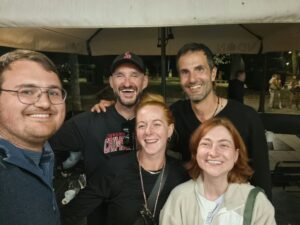
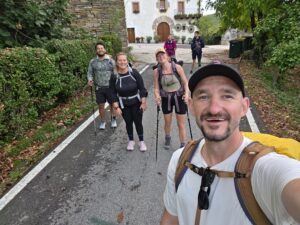
And then there were the people. The Camino, I’ve discovered, behaves a little like an accordion. People come together, spread apart, and somehow find their way back to one another again. You might walk beside someone for hours, share a meal, and then not see them for days. Just when you’ve assumed they’re somewhere far ahead or behind, you turn a corner in another village and there they are, sitting outside a café as though they’d been waiting for you all along.
At first, I found that difficult. You meet people, share stories, and develop the strange familiarity that comes from spending several exhausting days together. Then, without much warning, they’re gone. Sometimes it’s simply because their pace changes. Other times, the Camino makes the decision for them.
By the time we reached Logroño, several people we’d come to know had changed their plans or left the trail altogether. Infected blisters, shin splints, and injuries had taken their toll. One friend lost part of his toe…literally. After walking through the rain, he’d felt something moving around inside his boot. When he finally removed it, he discovered that a piece of his toe had come off. Needless to say, his Camino ended there.
It was a sobering reminder that determination and enthusiasm weren’t always enough. Sometimes the body simply refused to cooperate. But the accordion continued.
There was a French woman who had walked from northern France carrying a twenty-five-pound backpack, sleeping beneath bridges and wherever else she could find shelter, all while wearing just flip-flops.
Then there was the Finnish pilgrim we kept encountering in town after town, almost invariably sitting somewhere with a liter of beer in front of him. We initially gave him a name of our own because we didn’t know his. Eventually, we learned his actual name, and what began as a running joke became another friendship.
And somewhere out there was a man searching for a lost stuffed dinosaur, occasionally walking in the opposite direction from everyone else. I couldn’t help wondering how many extra kilometers he’d accumulated in pursuit of that little creature.
The Camino was full of people like this.
As we got to know these people, we also got to know ourselves as well, and we began to change. The first week felt like a race. Wake up early. Get moving. Reach the next town. Find a bed. Repeat. But eventually we stopped setting alarms. We started waking when we were ready, taking our time over coffee, and allowing ourselves to enjoy the places we were passing through.
Of course, the Camino had a way of ensuring we didn’t become too pleased with ourselves. For every glorious stretch of forest or open countryside, there seemed to be another several kilometers beside a highway. I hated those stretches.
Cars and trucks rushed past, carrying people toward jobs, appointments, errands, and whatever else required them to get somewhere as quickly as possible. Meanwhile, we were walking along the shoulder, moving at a different pace. The contrast was difficult to ignore.
On one side, the modern world raced forward. On the other, a small procession of people carried everything they needed on their backs, stopping for water, conversation, or simply because a view deserved a few minutes of their time. A refusal, however temporary, to believe that every minute must be productive or that every journey must be completed as efficiently as possible.
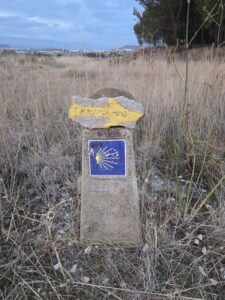
With each passing day, the responsibilities waiting back home became a little quieter. I still checked my phone. I still glanced at my emails and the various things that ordinarily demanded my attention. But increasingly, I found myself putting it away.
One afternoon, Kaitlin and I found ourselves sitting in a beautiful little garden behind a bar, listening to the gentle trickle of a fountain. The sun was warm. There was a cold beer on the table and a Hemingway book in my hands. And I remember thinking, quite honestly, does life get much better than this? We’d walked all morning. We’d earned the afternoon. There was absolutely nowhere else we needed to be.
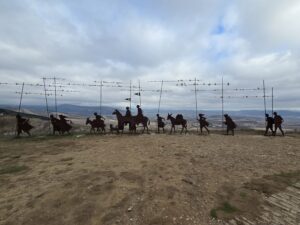
Although I should probably admit that the Camino also encouraged a somewhat questionable relationship with wine. One morning, Kaitlin and I woke up to discover that the bottle we’d purchased the previous evening was almost entirely untouched, as were the glasses we’d poured. Apparently, we’d reached the point where buying wine had become such an automatic part of the evening that we’d forgotten we were too exhausted to drink it.
I liked to imagine medieval pilgrims soothing their aching feet and weary muscles with generous quantities of wine and ale. I have chosen to believe we were honoring that tradition.
But of all the things I remember from those first weeks, it’s the mornings that have stayed with me most. There was something therapeutic about the familiar little routine. Packing away the sleeping bag. Discarding the disposable sheets. Tying up the sandals to the backpack. Pulling on the boots one more time. Then stepping outside into the crisp darkness before sunrise, when the streets were quiet and the world hadn’t quite woken up.
We knew we’d walk. We knew our feet would hurt. We knew there would be another village, another climb, another meal, and eventually another bed. But beyond that, we had absolutely no idea what the day would bring. The world revealed itself differently each time.
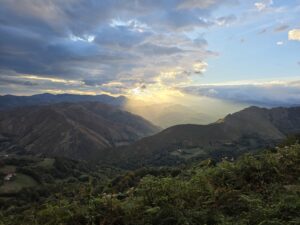
One morning, as we walked through the mountains, the sun began breaking through the clouds above the cliffs. Great shafts of light reached down into the valley, illuminating the landscape in patches of gold while everything around them remained in shadow. It looked as though God’s hand itself was reaching down through the clouds and, for a few moments, I forgot about my aching legs, the weight of my backpack, and how many kilometers remained before lunch. I just stood there. Looking.
There was nothing particularly extraordinary happening, at least not in any scientific sense. The sun was rising. The clouds were moving. Light was doing what light does. But knowing how something works doesn’t necessarily make it any less miraculous to witness.
It’s hard not to be religious about the road. Or at least spiritual.
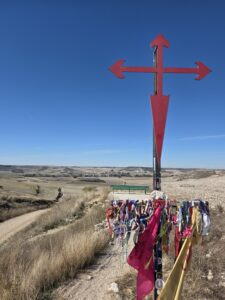
I don’t mean that I suddenly discovered all the answers to life’s great mysteries somewhere between a blister and a steep hill. In fact, I remained somewhat suspicious of the expectation that everyone walking the Camino had to experience some profound personal revelation and the people searching for exactly that.
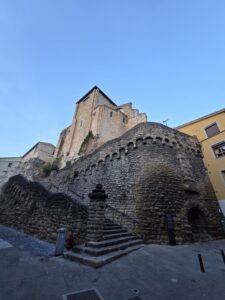
A spiritual awakening. A moment of clarity. Some unmistakable sign that the journey had changed them. Perhaps some did find it. I never did. At least, not in the way I imagine such a thing happening. But maybe that morning was enough. Maybe, the Camino didn’t need to deliver some grand revelation to be worthwhile. Maybe it was enough to find yourself standing in a valley, exhausted and humbled, feeling grateful simply to be there.
I have come to suspect that the Camino gives people what they were willing to notice, rather than what they arrived expecting to find. And sometimes, what you found was considerably less profound than you’d hoped.
In Santo Domingo de la Calzada, for instance, I was particularly excited to visit the cathedral associated with the famous legend of the hanged pilgrim and the miraculous chickens. According to the story, a young pilgrim was wrongfully accused of theft and hanged. However, through the intervention of Saint James himself, the boy survived the gallows while his parents completed their pilgrimage.
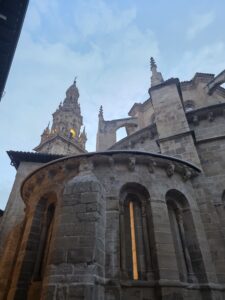
When they returned and discovered their son alive, they rushed to tell the local magistrate, who was preparing to eat two chickens roasting over the coals. He dismissed their claim, declaring that their son was no more alive than the chickens he was cooking. At which point, naturally, the chickens sprang back to life.
It’s a wonderful story. And the cathedral in Santo Domingo became famous for keeping roosters and hens on the premises, said to be descendants of the birds from the story.
Naturally, I wanted to see the chickens. But after wandering around outside the cathedral, I couldn’t find them anywhere. I assumed they must be inside. So, for the first time on the Camino, I decided to attend a pilgrim Mass and blessing. We were directed toward another building where the service was supposed to take place, and after receiving conflicting information about the time, I waited with the other pilgrims. Unfortunately, the priest never arrived.
No chickens. No priest. Just a collection of confused pilgrims standing around a church.
I couldn’t help imagining the priest sitting comfortably somewhere with a glass of wine, blissfully unaware that a small international delegation of strangers was waiting for him.
There was something wonderfully ironic about the whole experience. We’d walked hundreds of kilometers along a route steeped in religious tradition, following a pilgrimage that had endured for more than a thousand years, and I couldn’t even manage to find a priest. Or a chicken, for that matter. And yet, the following morning, we all got up and kept walking.
Maybe there was a lesson in that, too.
The Camino wasn’t particularly interested in meeting our expectations. It didn’t promise comfortable weather, good company, spiritual revelations, or even functioning church services. It simply offered the road. What we made of it was largely up to us.
And looking back on those first few hundred kilometers between Saint-Jean-Pied-de-Port and Burgos, I can see how much changed without us really noticing.
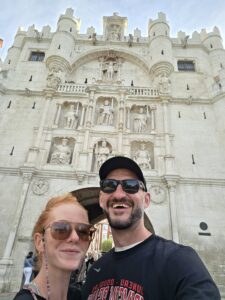
Our bodies grew stronger. Our packs began to feel lighter. The urgency that defined those first few days slowly gave way. We learned to appreciate the people who walked beside us, even when we knew they might disappear around the next bend. We learned that sometimes the best thing you could do was stop, order a beer, and read a book in the sunshine. And most importantly, we began to understand that the Camino wasn’t something we needed to conquer. It was something we needed to experience.
One of the best pieces of advice I received along the way was remarkably simple: Don’t go backwards. But always look back.
I’ve thought about that advice a lot now that we’re done walking. When you’re climbing a mountain, it’s easy to become so focused on the next step, the next bend, or the summit somewhere above you that you forget to appreciate how far you’ve already come.
You keep your head down. You push forward. You tell yourself you’ll stop when you reach the top. But some of the best views aren’t waiting at the summit. They’re behind you. And if you never stop to turn around, you might reach the top without ever really understanding what it took to get there.
I think there’s something worth remembering in that, both on the Camino and elsewhere in life.
We’re often so preoccupied with where we’re going that we forget to appreciate where we’ve been. The difficult stretches. The people who walked beside us. The small victories that didn’t seem particularly important at the time. Sometimes, the most rewarding part of a climb isn’t reaching the summit. It’s actually turning around, looking back down the mountain, and realizing just how far you’ve come.
Somewhere Between Sunset and Sunrise
I’ve always liked sunsets.
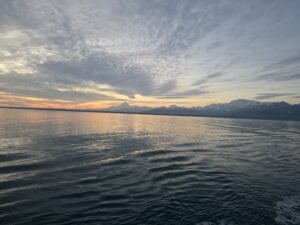
Maybe that’s an occupational hazard when you spend enough time on ships. Out there, sunsets have a way of demanding your attention. One minute, you’re going about your day and the next the sky is on fire overtop the water. Suddenly, everyone stops what they’re doing and watches.
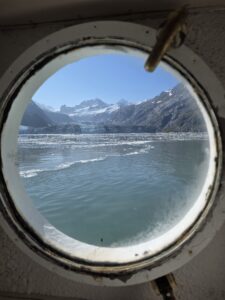
There is something fitting about that imagery as another cruise season comes to an end in Alaska. For the last few months, my life has been measured in ports, sea days, theater schedules, and the occasional morning where I needed a few seconds to remember where exactly I was in the world at that moment. It’s been a hell of a summer, but the sun is finally setting on it now.
And I don’t mean that sadly, or in a bad way.
That’s the thing about sunsets. We tend to associate endings with loss, but nobody every looks at the beauty of a sunset and wishes it hadn’t happened. We stop. We appreciate. Maybe we take far too many photos of basically the same thing. And then we, eventually, watch it disappear below the horizon. Because that’s what it’s supposed to do.
I think I’m getting better at allowing chapters of my life to do the same. There was a time in my life that I probably would have immediately started asking what comes next. The next ship. The next job. The next destination. The next thing I can point toward and say, “There! That’s where I am going.”
I’m not sure I need to do that this time. Because somewhere on the other side of this sunset, there’s already a sunrise waiting. After months of ships, schedules, airports, and far too much time apart, Kaitlin and I are putting on backpacks on again and returning to something that has always felt very much like us: going somewhere without entirely knowing what the road is going to give us. This time, that road is the Camino de Santiago.
We’ll walk. We’ll undoubtedly get lost–mostly from my doing–despite there being literal arrows telling us where to go. We’ll meet strangers, collect stories, and most definitely complain about our feet. But most importantly, we will spend a lot of hours simply walking beside one another.
I’m beyond excited.
I’m not trying to escape what I’ve been working towards. Quite the opposite. If this season has taught me anything, it’s that I don’t particularly want to escape my life anymore. I just want to be a little more present for it.
Maybe that’s what this next chapter is really about. Slowing down a little. Walking instead of running. Spending some time with my wife. Spending some time with myself. And maybe seeing what happens when there is a little more room for the thoughts that have been quietly following me around for a while.
There are a few of those. Some scribbled down. Some still rattling around upstairs. Who knows. We’ll see. That’s the nice thing about sunrise. You don’t have to know exactly what the day is going to look like when the first bit of light appears. You just have to be willing to get up a meet it.
I’d Trade A Thousand Beautiful Views…
There are a lot of things about my life right now that probably look pretty incredible from the outside.
And they are, and I am thankful. I get to travel. I get to board ships headed towards places other people save for years to visit. I wake up in different ports, wander different streets, and watch sunsets over oceans, mountains, and ice fields alike. Honestly, occasionally, I have to remind myself that somehow, inexplicably, this is my actual life.
But I’d leave it all behind tomorrow for something, immeasurably, more important.
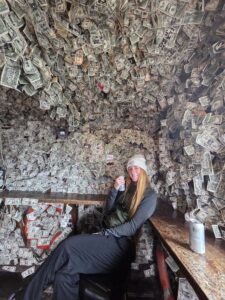
Recently, my wife joined me on one of my cruises, and we spent a few days together afterward. Nothing about that sentence sounds particularly remarkable. A cruise. A few nights in a nice hotel. Some travel and some fun. But when you spend as much time apart as we sometimes do, a few days together stops feeling ordinary. They feel like everything.
We ate, laughed, and made memories in places we’re lucky to have even seen.
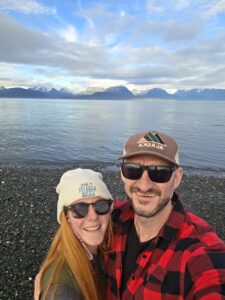
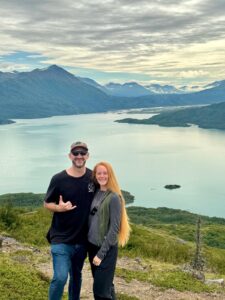
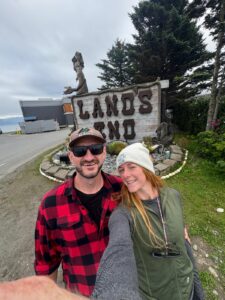
But the best parts weren’t really any of those things. The best parts were waking up and realizing she was there. Looking across the room and seeing her. Reaching for her hand without thinking about it. Having someone beside me at the end of the day who knows exactly who I am when there isn’t a story to tell.
What I am talking about is the part of my life I don’t mention very often. Maybe because I know how fortunate I am. But I miss my wife. A lot. And missing someone doesn’t become easier just because the scenery outside the window is beautiful.
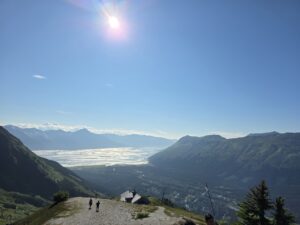
Social media is good at showing the journey but terrible at showing this absence. You see the ocean but you don’t see me wishing she was there. You see the destination but you don’t see the empty side of the bed. You see the smiling photograph but you don’t hear the phone call afterward when I’d give just about anything to reach through the screen and pull her into the room.
That’s the bargain you strike sometimes when chasing a big life. And I’m grateful for mine. But the world isn’t nearly as impressive without her in it. It’s that simple.
Give me the incredible destination. Give me the balcony overlooking the ocean. And I’ll still miss sitting beside my wife doing absolutely nothing. Because somewhere along the way I realized, seeing the world and having someone to share it with are two very different things. And if I had to choose, it isn’t really a choice. I’d trade another country for another morning coffee with her. Another sudden thrill for another ordinary night together. I’d trade a thousand beautiful views for the one I’ve probably taken for granted far more times than I care to admit: her sitting across from me.
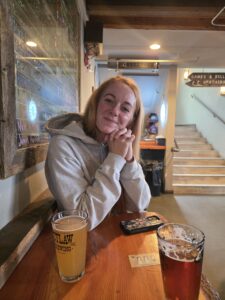
So when your gifted with the opportunity to be with your loved one, take them out for a nice dinner. Drink the bottle of wine. Drink two. Stay up later than you should. Laugh loudly. Walk somewhere without caring how long it takes to get back. And relish in the sheer, ridiculous enjoyment of getting to be with the person you can’t imaging living without. I know I will.
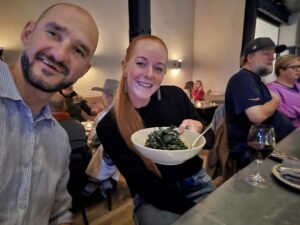
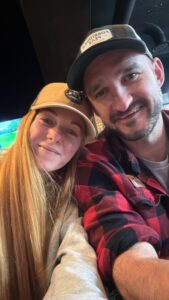
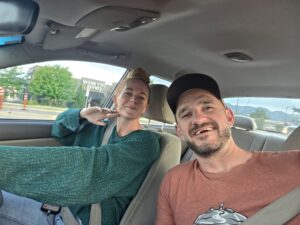
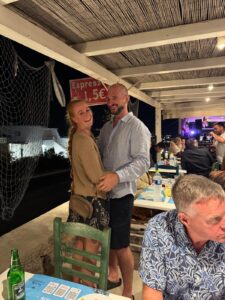
Adventures are wonderful, sure. But in the end, the ship always returns to port. The suitcases always get unpacked. The photographs are bound to disappear amongst the thousands of others we have in our phones. And when that is all over, you start to understand that the person you wanted beside you through all of it was, in fact, the adventure that mattered the most.
The Best Investments I’ve Ever Made
Spending money to spend time with friends and family isn’t spending money at all.
I know that sounds like one of those quotes you’d find stenciled onto a piece of reclaimed wood hanging in someone’s kitchen, but the older I get, the truer it becomes. We’re taught from a young age to think of money as something to save, invest, or spend wisely. We compare prices, hunt for deals, and convince ourselves that happiness is waiting on the other side of the next purchase. And don’t get me wrong, I enjoy a new gadget, a good meal, or a plane ticket to somewhere I’ve never been as much as the next person. But if life has taught me anything, it’s that the things worth paying for rarely fit inside a pre-prescribed box or shopping bag. They usually come with a boarding pass. Or a long drive. Or an excuse to gather around a table that’s just a little too small for everyone.
When I look back on the years that have shaped me, I don’t remember the cost of the trip or what the hotel charged for parking. I don’t remember what gas cost or whether dinner was overpriced. What I remember are the conversations that drifted late into the evening, the stories I’ve somehow heard a hundred times but still laugh at every single time, and those little moments that nobody planned but everyone remembers.
Friends and family have a funny way of doing that.
Someone always burns something on the grill…except this time because my dad let my brother cook. Someone always tells a story that gets more dramatic with every retelling. Someone insists they weren’t asleep in the recliner despite overwhelming photographic evidence…you know who I am talking about. And somehow, those tiny, ordinary moments become the memories we treasure the most.
As an author, I spend a lot of time writing about history. Gold rushes. Ghost stories. Pirates. Legends. Larger-than-life characters who chased fortunes across oceans and mountains. Yet, ironically, the richest people I’ve ever met aren’t the ones with the biggest bank accounts. They’re the ones whose calendars are full of birthdays, reunions, fishing trips, Sunday dinners, and family vacations. Their wealth isn’t measured in dollars. It’s measured in the ones around them. Maybe that’s because stories are what remain long after everything else fades.
One day, none of us will remember what we paid for airline tickets or whether we booked the expensive hotel or the budget one. We won’t remember if we found the best deal online or paid a little too much for dessert. We’ll remember sitting beside the people we love. We’ll remember watching our parents become grandparents. We’ll remember nieces and nephews growing taller every year. We’ll remember inside jokes that make absolutely no sense to anyone else and laughter that somehow echoes louder than the places we visited. Those are the souvenirs that never collect dust.
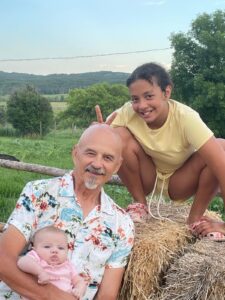
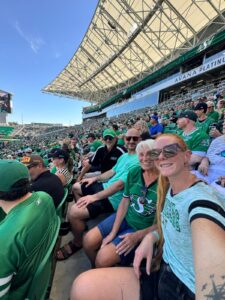
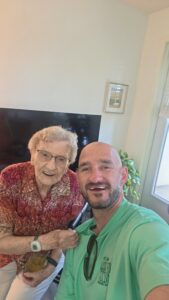
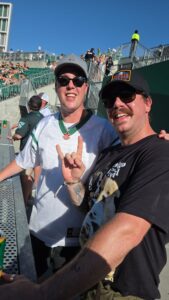
Time has a way of slipping through our fingers faster than we’d like. Kids grow up. Parents grow older. Life gets busier. Before you know it, the family photos on the wall don’t look like our family anymore. That’s why I’ve stopped looking at family trips as expenses. Because, if I’ve learned anything from writing about history, it’s this: the moments that matter most are rarely the ones that make headlines. They’re the quiet ones shared with the people who made you who you are.
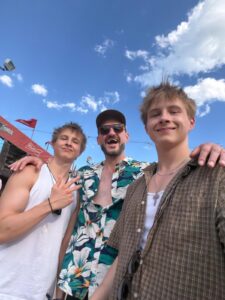
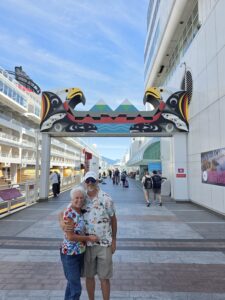
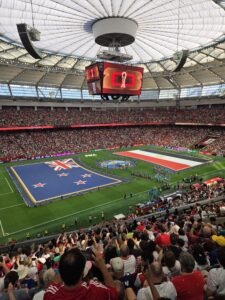
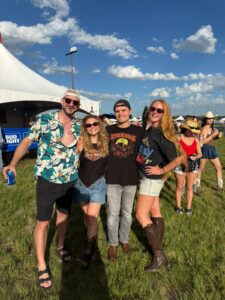
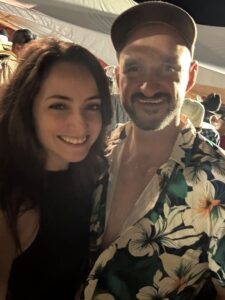
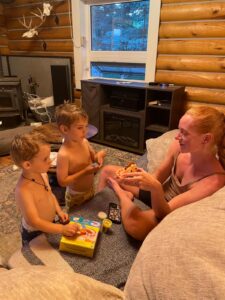
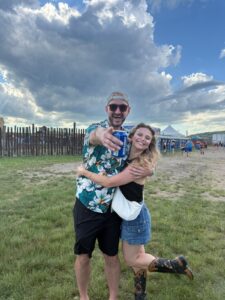
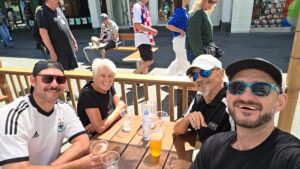
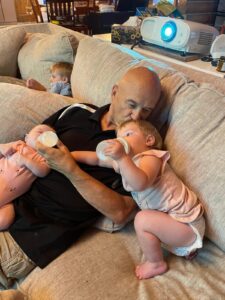
Here are a few photos from a couple weeks I decided to stop counting, slow down, and spend time with the ones I love:
Best Day Bar None
Okay, so, yes. Just like the title says, today was 100% the best day I’ve had on board. But it isn’t for the reasons you’d think.
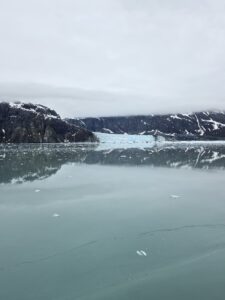
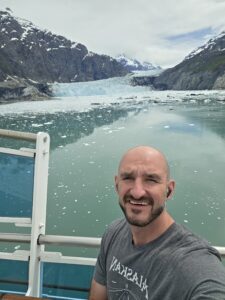
Yes, its true that for any true Canadian/Alaskan, a good day starts with good weather. And, yes. It was 65 and sunny rolling through Glacier Bay today. I took my lid off, wore a T-shirt and shorts (not that I am supposed to), and the ship was able to get closer to the glacier’s than we have all summer:
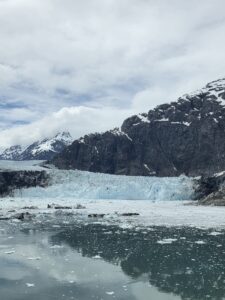
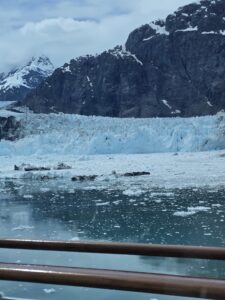
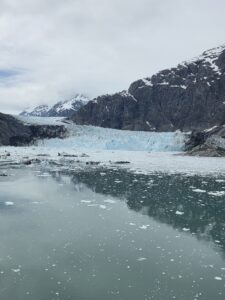
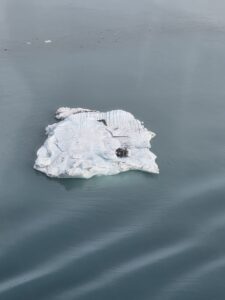
We even saw seals:
And yes, I certainly can’t complain about the absolute feast that was dinner. I mean, who can choose between freshly sautéed Mongolian beef and vegetables, prime rib, or freshly made sushi?
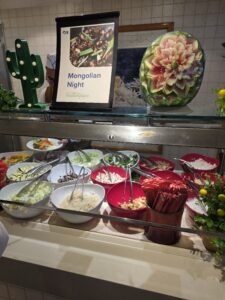
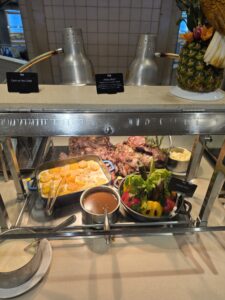
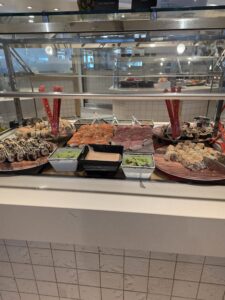
But the real reason I am writing this post is not the views or the food, it’s a single comment from a woman who attended one of my presentations. And this comment has changed my outlook for my talks.
The woman’s husband had passed before being able to join her on the cruise. He had been a university professor, and because of this his wife had travelled with him to hear him speak at plenty of seminars, symposiums, conventions, and conferences–and whatever other word you want to use for people speaking on stage. And after attending my program, while I was wrapping things up, she felt the need to come up to the stage and tell me something. Her comment was:
“You remind me of my husband. Even though you’re the one standing on the stage, I never felt like I was being lectured or spoon fed a lesson. It felt like we were just having a conversation.”
Moving forward, I will forever strive to give this experience to every one of my audiences.
A Hoonah Matata
A Hoonah Matata
I have circled this day on my calendar ever since it popped up on my schedule.
Hoonah is not far from Juneau, roughly 4-hours by ferry away. There are discounts on the ferry for neighbors day. The world’s (second) largest zipline. Plenty of reasons to bite the bullet to take the trip. And yet, in the more than 10 years of living in Juneau I never have. And guess what, that is a mistake I have to live with. Because Hoonah is awesome!
Now, there is the matter of the distance between the cruise ports and town, the overpriced gondola that only takes you to Icy Straight Point, and the entire artificial Ice Straight Point area in general. And I am unapologetic in saying this, it is places like these that prevent people from experiencing actual Alaska.
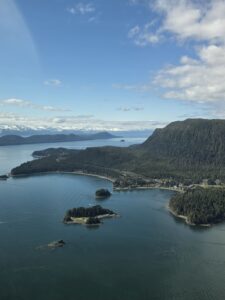
If you are one of these tourists that got caught in this trap, that is unfortunate. Because Hoonah, despite being a very tiny village, contains all that is small town Alaska. Walking streets. Kind people. Beautiful views. A bear or two if you are lucky. And it is only a mile and a half away!
If you are capable, do the walk. It is well worth it.
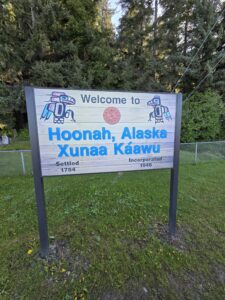
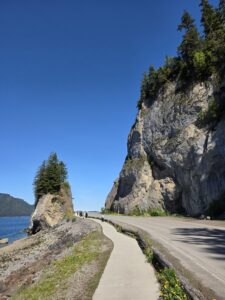
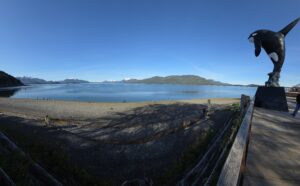
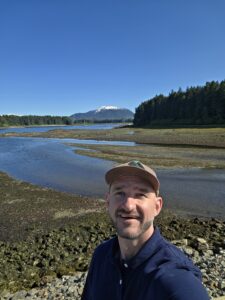
And if these views aren’t enough, they also have a fantastic brewery.
Ground Control to Major Tom…The Captain Has The Con
Ground Control to Major Tom…The Captain Has the Con
Alright, I am mixing references in that title, but I am beside myself with my experience today!
As a recap, I am now on my fourth ship of the summer and I haven’t crashed and/or burned. I am still wrecked with anxiety every day I have to present, and I spent most of my time onboard rehearsing, but it is getting easier. I am slowly leaning into this lifestyle of free food and no dishes. And you will all be proud of me, I can confidently say that I have yet to drink a sip of alcohol onboard. Not that I am an alcoholic or anything–or at least one that can’t perform after polishing off a case of wobbly pops the night before. But it feels good. I feel healthy
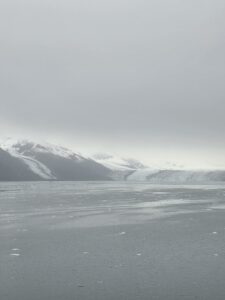
Ironically, though, earlier today I was violently hungover haha! The last two days have been spent in Juneau catching up with friends, which led to my foggy head and uneasy stomach. But this morning I received an opportunity I simply could not pass up. I was invited to the the Bridge of the ship to meet the captain and witness Glacier Bay from a seat cruisers can only dream of.
I took full advantage and it is a memory I won’t soon forget. At this point, though, I am going to take a nap.
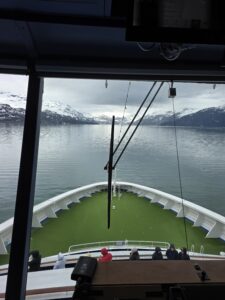
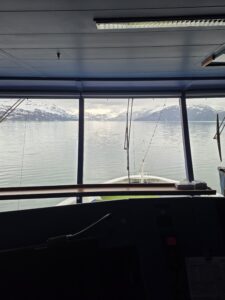
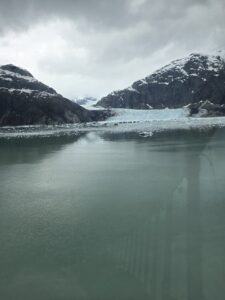
Apologies for the blurry photos. I was hungover, remember?
Sail, sail Away
Sail, Sail Away
Well, I’m not going to lie, it feels slightly bizarre that this moment has finally arrived. After receiving word back in January that I would be invited onto Princess Cruise Line to give talks about the Alaskan Gold Rush, the moment has finally arrived. And I can’t think of a better moment to capture to kicks off this blog.
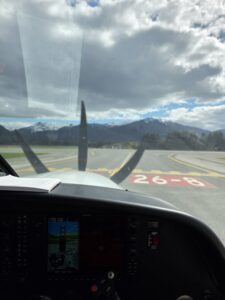
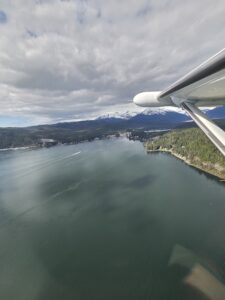
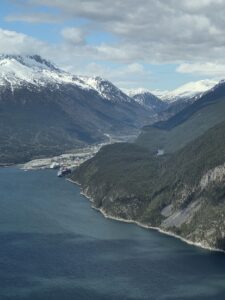
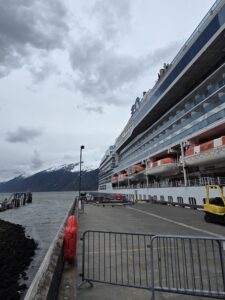
You’ll see in the pictures–or at least you would if I could take good pictures–my first voyage is on the Island Princess out of Skagway. The direction is north but I as I walk up to the ship I am running circles in my head.
It is surreal to think that just 5 years ago I was putting pen to paper for my first book: Tall Tales of Alaska: The Red Dog Saloon. A book that, at the time I wrote it, was meant more for me than anyone else. An outlet for me during COVID, one meant to help remember the stories I once told from behind the bar of the books namesake. Now, all those years and 6 books later, I step onto one of the massive ships that pull into Alaska’s ports for the first time as an Alaskan Enrichment Ambassador. What that means, I am still not entirely sure. An entertainer? A “historian”? A fraud? Clearly, I have a bit of imposter syndrome.
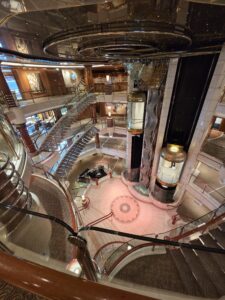
Whether this is a smashing success or a miserable mistake has yet to reveal itself. Only time will tell. But in in the meantime, I’ll do my best to enjoy the views…and the accommodations.